

Deferred Interest vs. a True 0% APR Offer
Deferred-interest financing and a 0% APR offer can produce very different bills if a balance remains when the promotion ends. Check the terms before buying.
By CreditCardDebt Staff3 min read
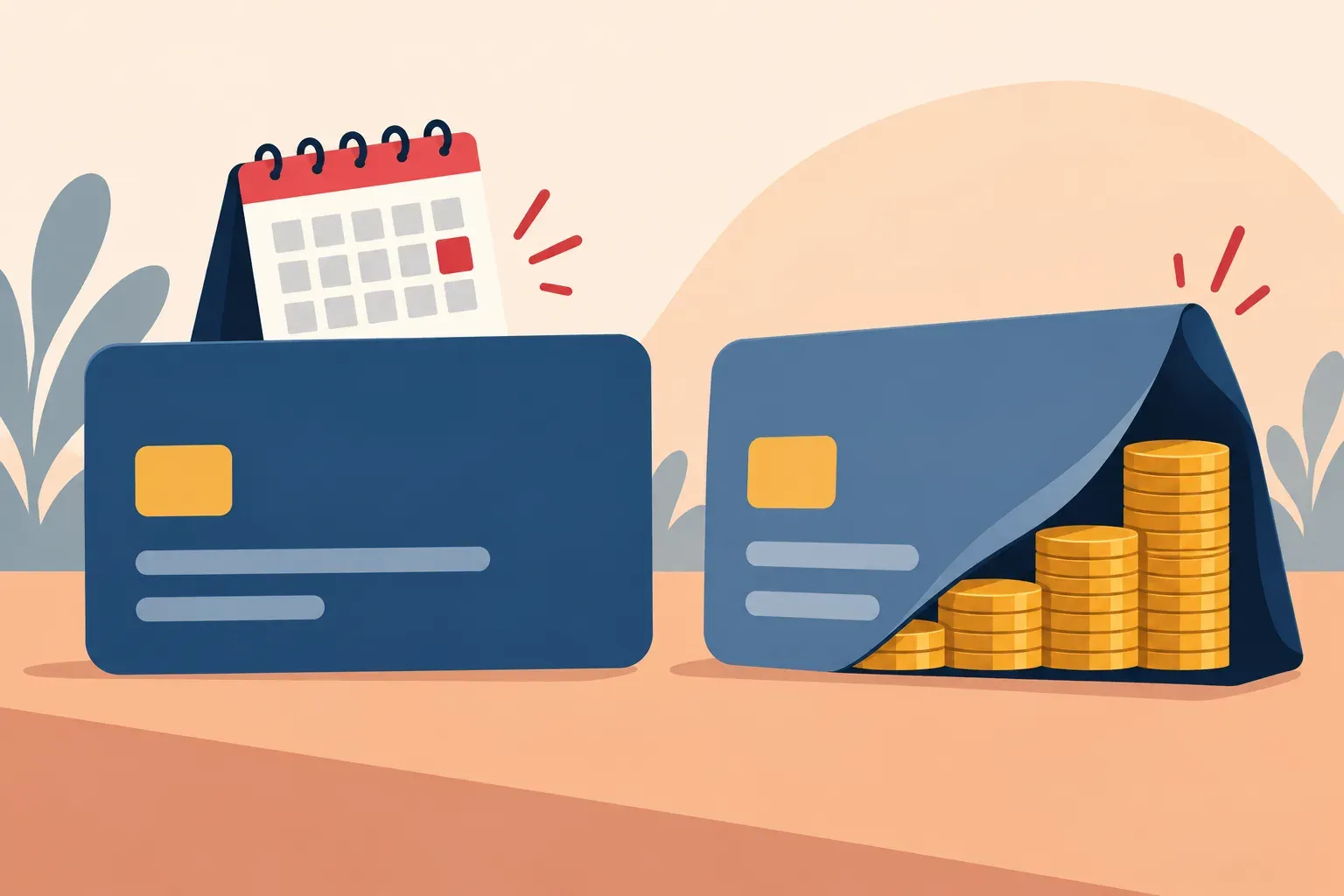
They sound alike, but they behave very differently when time runs out. With a true 0% APR, any balance left when the promotion ends simply starts collecting interest from that day forward. With deferred interest, interest has been building quietly since the day you bought the item, and if you haven’t paid off the full promotional balance by the deadline, all of it lands on your bill at once.
A quick example
You buy a $1,500 TV on a store card with “no interest if paid in full in 12 months,” and you pay $100 a month.
After 12 months you’ve paid $1,200 and still owe $300. If the card’s regular rate is 30% (your agreement shows the real figure), about $285 in interest built up in the background over the year. Because you didn’t clear the balance, that $285 gets added to your account, and the remaining $300 starts collecting interest too.
Put the same purchase on a card with a true 0% intro APR for 12 months, and you’d owe only the $300, with interest starting on that amount after the promotion ends.
The difference between paying $1,500 and paying close to $1,800 comes down to one phrase in the offer.
How to spot deferred interest
Look for the words “if paid in full.” “No interest if paid in full within 12 months” or “same as cash” almost always means deferred interest. It’s most common on store cards and checkout financing for furniture, electronics, appliances and medical or dental work.
A true 0% offer usually reads something like “0% intro APR on purchases for 15 months.” There’s no “if paid in full” condition.
If you can’t tell, ask before you sign: “If I still owe $1 when the promotion ends, will I be charged interest back to the purchase date?”
Plan to finish early
The minimum payment on a deferred-interest purchase is often set too low to pay it off in time, so following the bill can leave you short at the deadline.
Instead, divide the purchase price by the number of months in the promotion minus one. For a $1,500 purchase over 12 months, that’s about $137 a month for 11 months, which gives you a month of breathing room. Set it up as autopay, and put a reminder on your calendar a few weeks before the deadline to confirm the remaining balance.
Watch how payments are applied
If the same card has other balances, such as regular purchases, the issuer generally has to apply anything you pay above the minimum to the balance with the highest rate first. Deferred-interest balances get a special rule: in the last two billing cycles before the promotion expires, extra payments must go to the deferred-interest balance first. Outside that window, you can ask the issuer to direct extra payments to the promotional balance. How Credit Card Payments Are Applied explains the rules in more detail.
Making new purchases on the same card complicates all of this. If you can, keep the promotional purchase alone on that card.
Before you say yes at checkout
- Ask whether it’s deferred interest or a true 0% APR.
- Find the regular APR that applies afterward.
- Note the exact end date, not just “12 months.”
- Ask what happens if a payment is late. Some offers end early.
If you’re weighing a promotional rate to pay off existing debt rather than a new purchase, Is a 0% Balance Transfer Worth It? covers the fees and math. And because carrying any balance can affect interest on new purchases, How Credit Card Grace Periods Work is worth a read too.
Sources
- CFPB: How does a “no interest if paid in full” offer work?
- Experian: How do 0% intro APR credit cards work?
- Federal Reserve: Regulation Z, allocation of payments
This article is for educational purposes and is not financial advice.