

How Credit Card Grace Periods Work
A grace period can let you avoid interest on new card purchases. Learn when it applies, how it can disappear, and what to check on your statement.
By CreditCardDebt Staff3 min read
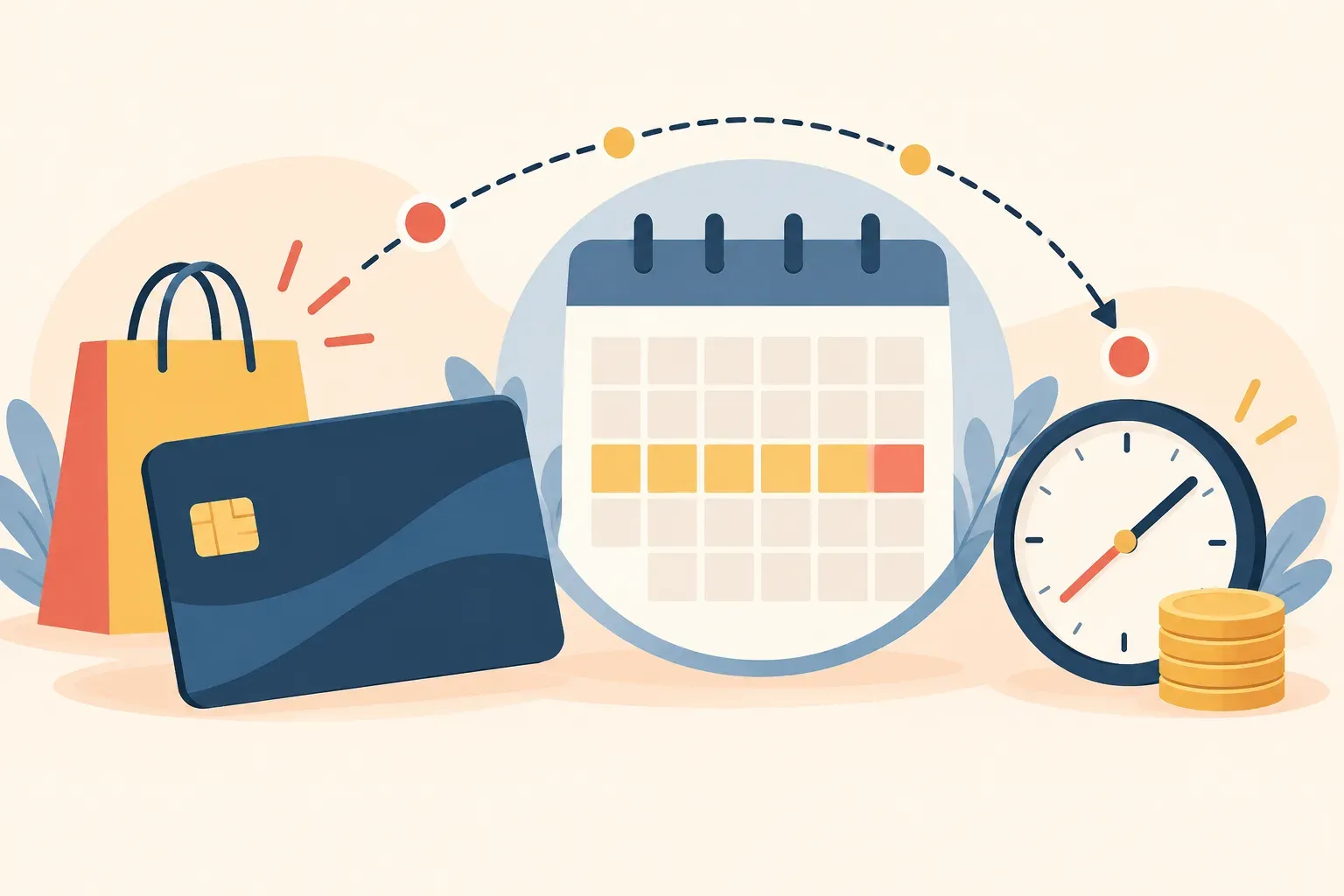
A grace period is the stretch between the day your statement closes and the day the payment is due. Pay the full statement balance by the due date and, on most cards, you won’t pay any interest on purchases from that cycle. Pay less than that, and the grace period usually disappears, including for purchases you haven’t made yet.
The three numbers on your statement
Every statement shows a closing date, a due date, and a statement balance. The closing date ends the billing cycle. The due date is when the issuer has to receive your payment. The statement balance is everything you owed on the closing date, and it’s the number that matters for interest.
Don’t confuse it with the current balance in your app. That figure includes purchases made since the statement closed, so it’s often higher. You don’t need to pay the current balance to keep your grace period; the statement balance is enough.
Issuers must send your statement at least 21 days before the due date, so you always get three weeks or more to pay. That’s the grace period most cards offer. Card issuers aren’t legally required to offer one, though nearly all do for purchases. Your card agreement says for sure.
How you lose it
Say your statement balance is $1,200 and you pay $800. Interest now applies to the $400 you carried. On most cards, it also starts on new purchases from the day you make them. A $60 grocery run on the 3rd begins collecting interest on the 3rd, even if you pay it off a week later.
Getting the grace period back usually takes paying the full statement balance for one or two cycles in a row, depending on the issuer. Until then, expect some interest on the next statement even after you’ve paid in full. That leftover charge is called residual or trailing interest: interest that built up between the closing date and the day your payment posted. If you want to stop it completely, call the issuer and ask for a payoff amount good through a specific date.
For more on reading those charges, see Managing Credit Card Fees and Charges. If the rate itself is the problem, How to Negotiate a Lower Credit Card Interest Rate covers how to ask for a lower one.
What never gets a grace period
Cash advances and convenience checks typically start charging interest on the transaction date, and they usually come with a separate fee as well. Pulling $200 from an ATM with a credit card is expensive even if you repay it within days.
Balance transfers are trickier. If you move a balance to a 0% card and keep using that card for shopping, the new purchases may accrue interest unless you pay the entire balance, including the transferred amount. Most people with a transfer balance can’t do that, so their purchases quietly collect interest at the regular rate. The simple fix is to buy things with a different card. Is a 0% Balance Transfer Worth It? goes through the rest of that decision.
A routine that keeps interest at zero
- When the statement arrives, schedule a payment for the full statement balance a few days before the due date.
- If you can’t pay in full this month, pay as much as you can and move everyday spending to a debit card until you’re back to paying in full.
- On the next statement, look for interest charges you didn’t expect and ask the issuer about any you can’t explain.
If you’re falling behind rather than just carrying a balance, What to Ask for When You Can’t Make a Card Payment explains what to say when you call.
Sources
- CFPB: What is a grace period for a credit card?
- FTC: Using Credit Cards and Disputing Charges
- OCC HelpWithMyBank: How long does the bank have to send the statement before the due date?
This article is for educational purposes and is not financial advice.